Some walls crack because the building moved. Others crack because somebody decided the foundation was a good place to save money. I repeat that line every time the phone rings with a story about a cracked villa wall Dubai owners usually notice on the hottest afternoon of the year, when the AC is screaming and the karak has gone warm.
The call that gave this article its name came on a Thursday afternoon in August, and in Dubai, August air has opinions. It was 47 degrees outside my site office in Business Bay, and I was halfway through a karak chai that had gone from hot to lukewarm in about ninety seconds.
“There’s a crack in my villa wall,” the voice on the phone said. “It’s getting bigger. Should I be worried?”
“Should I be worried” is the sentence that ends more peaceful afternoons than any other in the English language. I put down the karak and asked him to send a photo.
The Phone Call That Ruined My Karak Chai
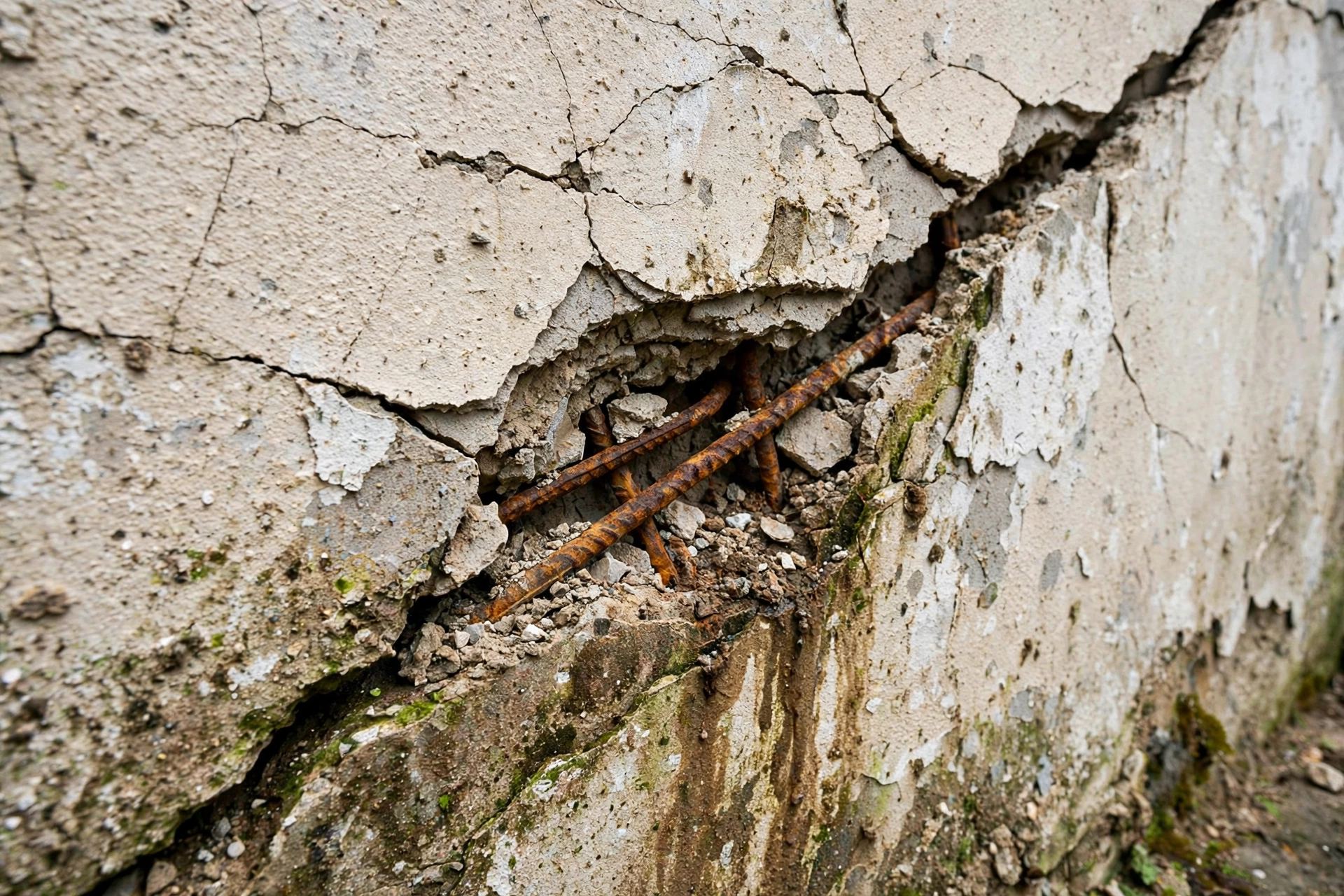
The photo arrived thirty seconds later: a diagonal crack running from a window corner toward the floor, in the boundary wall of a villa in Arabian Ranches. The width of my little finger. I zoomed in twice, then called my site engineer. We were going to the Ranches.
We reached the villa as the afternoon sun did its daily demolition work on everything it touched.
Khalid had bought it two years earlier from a developer I will politely not name. He met us at the gate with the expression of someone who has been Googling “villa wall crack dangerous” at 2 a.m. We’ve all been there. Google at 2 a.m. is never reassuring. “My wife thinks the whole villa is going to come down,” he said, by way of hello. “Tell me she’s wrong.”
I told him what I tell everyone: the truth is cheaper than panic, and we’ll know it in ten minutes. Then I walked over to the wall.
The Cracked Wall Dubai Villa Owners Should Never Ignore
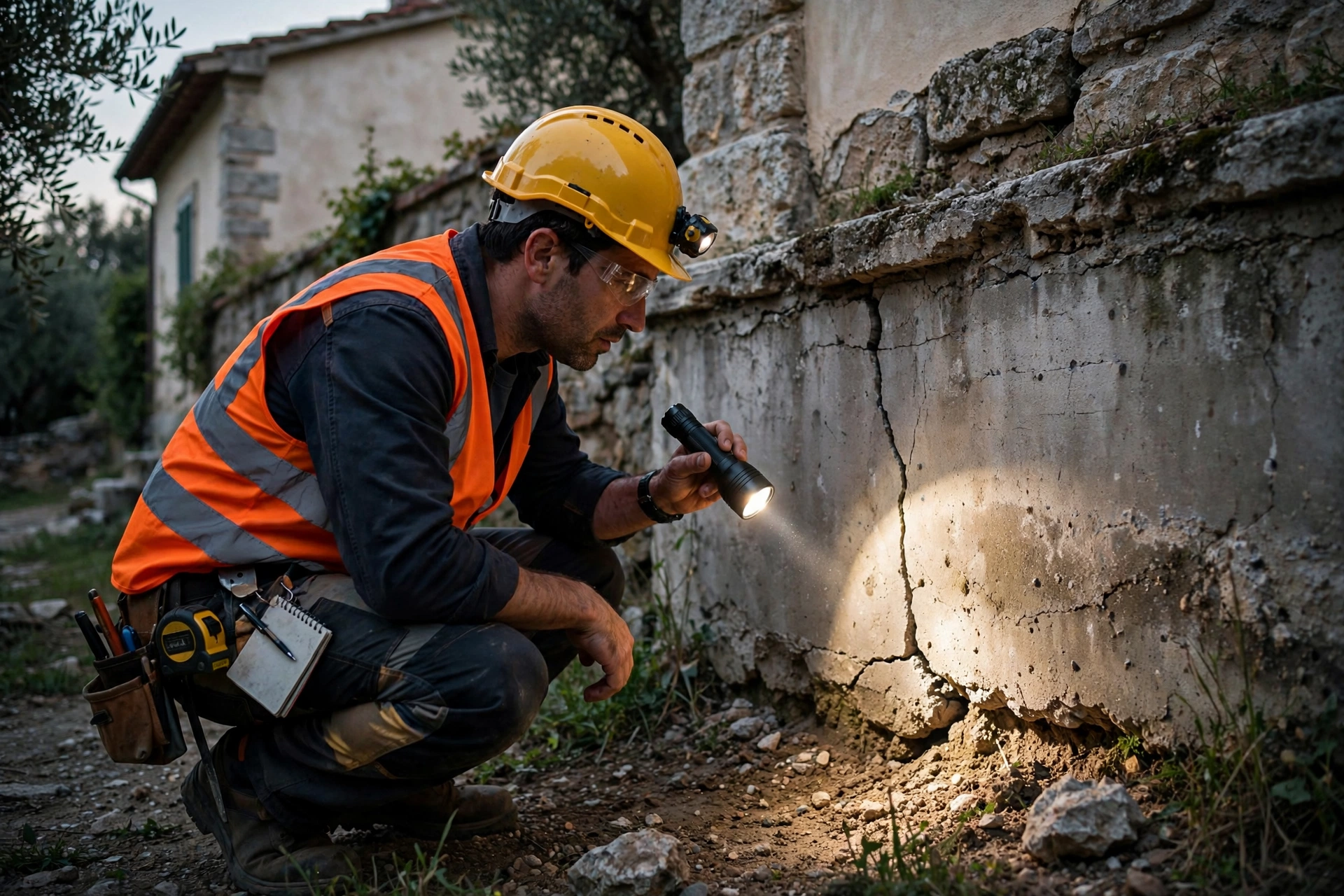
Here’s the thing about cracks: they have personalities. A hairline vertical crack in plaster is usually just the building settling into its skin. It deserves a shrug and a coat of paint. But a diagonal crack, wide enough to fit a coin, running from a window corner? That one is trying to tell you something, and it is not being polite about it.
The crack was worse in person. It ran through plaster and blockwork, and when I pressed my palm flat against the wall, I felt the faintest unevenness between the two sides. One side had shifted. The wall wasn’t just cracked. It was moving. I borrowed a coin from my engineer’s pocket and slid it into the crack. It went in up to his thumb. Khalid’s face went pale.
“How long has this been here?” I asked.
“Maybe six months,” Khalid said. “It was small at first. Like a hair. Then the summer came.”
Ah, the summer. In Dubai, summer is not a season. It is a forensic investigator — it finds every weakness in your building and exposes it in August. And the first thing I wanted to understand was what was happening underneath that wall.
Sabkha, Shortcuts, and the Developer Who Built Too Fast
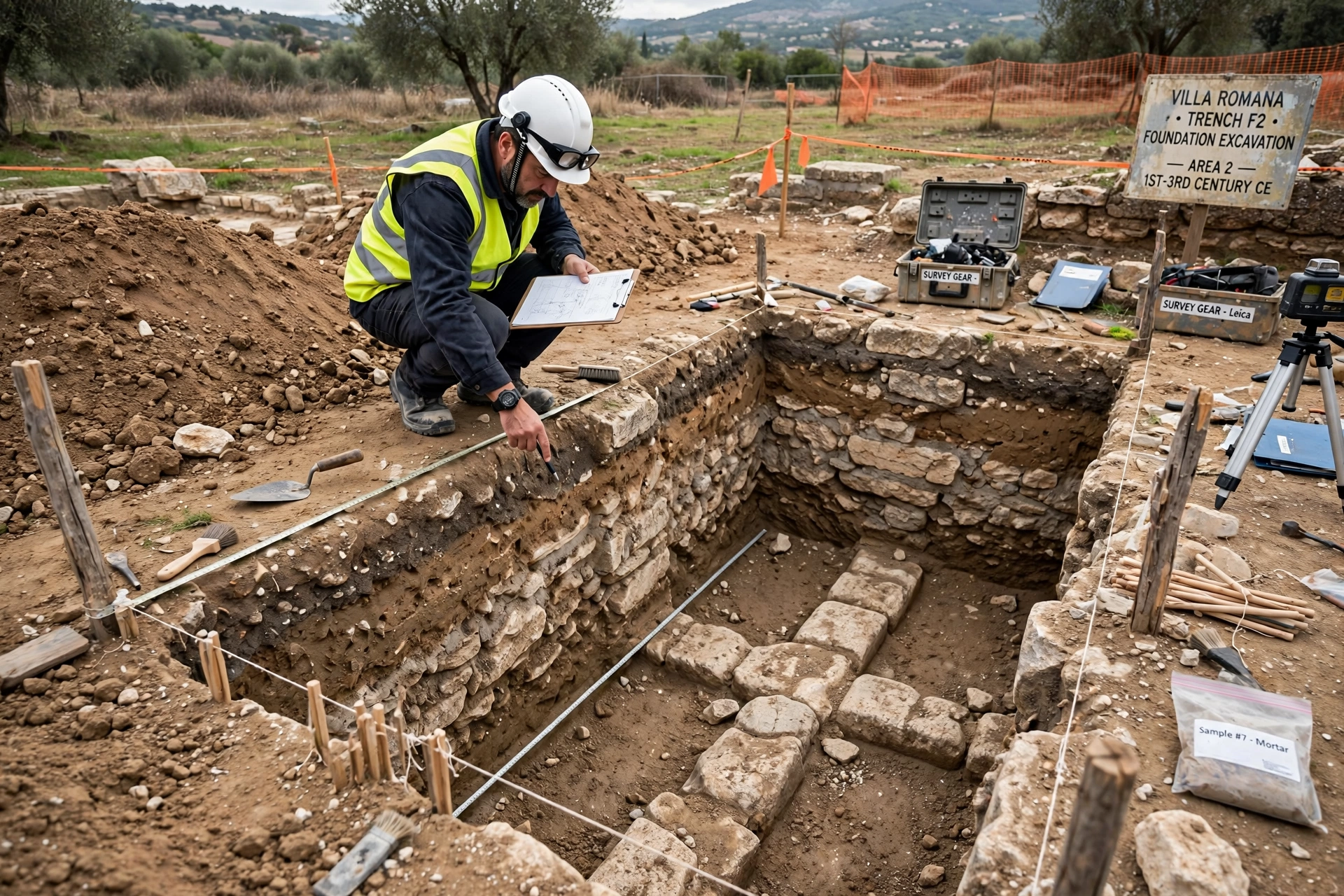
Much of this city sits on sabkha — salty, sandy soil that looks solid when dry and behaves like a different substance when wet. Add shifting water tables and heat that makes concrete expand and contract like it’s breathing, and you have ground that demands respect.
Khalid’s villa had been built fast. The developer was racing a handover deadline, and somewhere in that rush, the boundary wall’s foundation went in shallow — barely a meter deep, on soil nobody had compacted or tested. In summer, when the ground dried and shrank, one section settled a few centimeters. That’s all it takes. A rigid masonry wall cracks diagonally from the weakest point — always a window or a corner.
I see this more often than I’d like, because speed is tempting. A soil test takes two weeks. Shortcuts in foundations are invisible on handover day — they appear two summers later, usually right when a cracked wall Dubai villa story starts.
But I don’t diagnose from guesses. We marked the crack with dated pencil lines to check if it was still moving, then excavated along the affected section — by hand near the footing. What we found confirmed everything: shallow footing, loose fill beneath, no damp-proofing at all.
And then the real culprit showed up: water. Irrigation water had been seeping under the foundation for two years, softening the soil on one side. One side sank. The wall cracked. Simple, preventable, entirely human. “So it’s my sprinklers?” Khalid asked. “It’s everybody’s sprinklers,” I said. “Just nobody told the foundation.”
Three Weeks with Hassan
“Can you fix it properly?” Khalid asked. That word — properly — is my favorite word in construction, and the most expensive one. Here’s what it meant for that wall.
First, we didn’t just patch the crack. Patching a settlement crack without fixing the settlement is like bandaging a broken bone and entering a marathon. It looks fine for a month. Then August arrives. So we underpinned it: we dug deeper in short sections, never more than a meter at a time, so the wall never lost support while we worked.
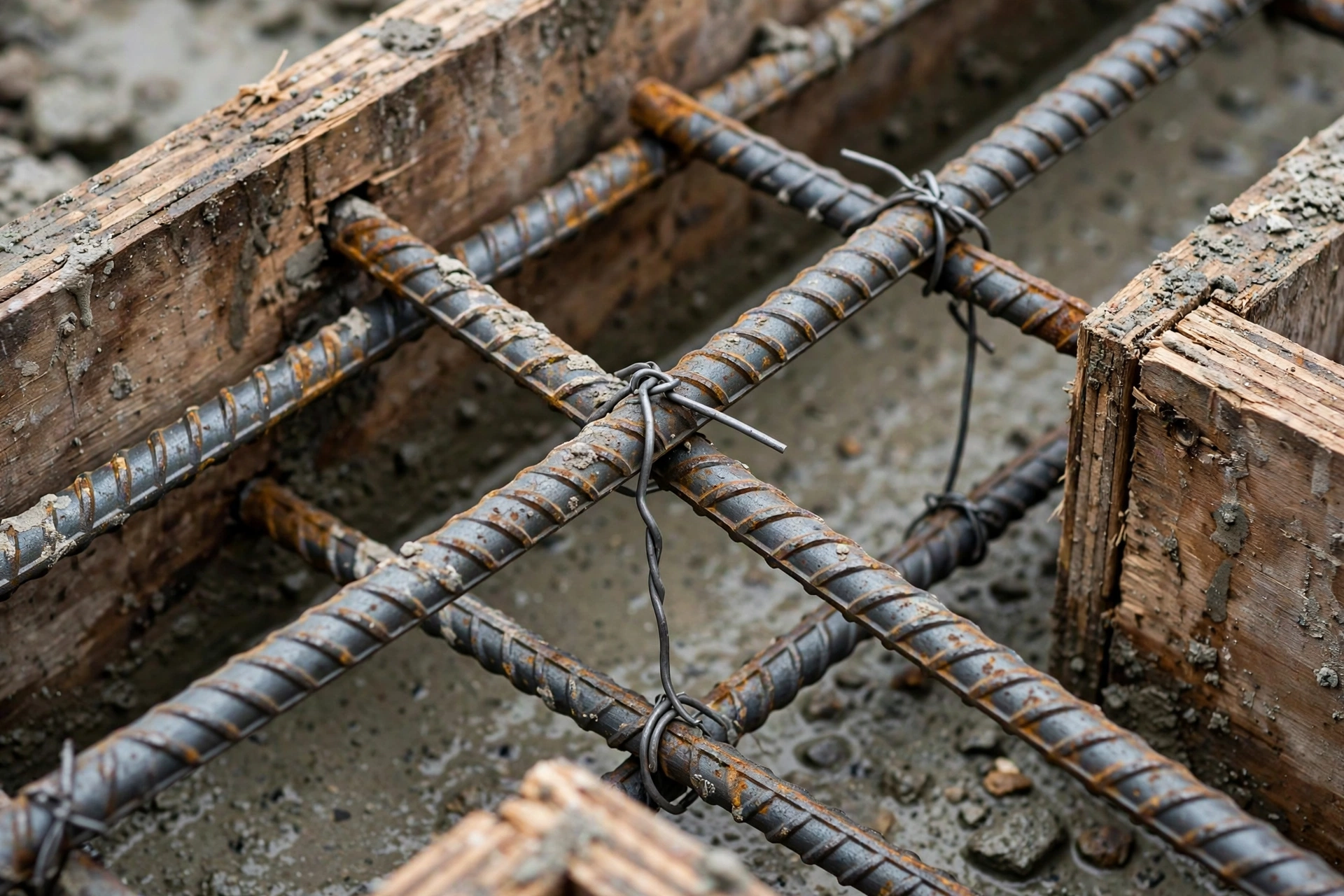
We extended the foundation down to firm soil, poured a reinforced footing, and tied it into the old work with dowel bars so the new and old footings act as one. Then we backfilled in compacted layers, each one tamped and tested. My foreman Hassan, a Sudanese gentleman who has forgotten more about soil than most engineers ever learn, supervised every layer. When Hassan says the compaction is good, the compaction is good.
“Slow,” he told the laborers on day two, tapping the plate compactor with his foot. “The wall waited two years. It can wait two more days.” So we rebuilt the cracked blockwork course by course, cured it properly — kept wet and shaded from the afternoon sun — and replastered.
Three weeks. Khalid’s neighbor watched from his balcony and on the last day asked us to check his own wall. It was fine — hairlines, nothing structural. I charged him only for the karak. Fair is fair.
Two summers have passed since then. The wall hasn’t moved a millimeter. I know, because I slow down to look every time I drive past that villa. Old habits, but they let me sleep at night.
What That Wall Taught Me (and What I’d Tell You Over Karak)
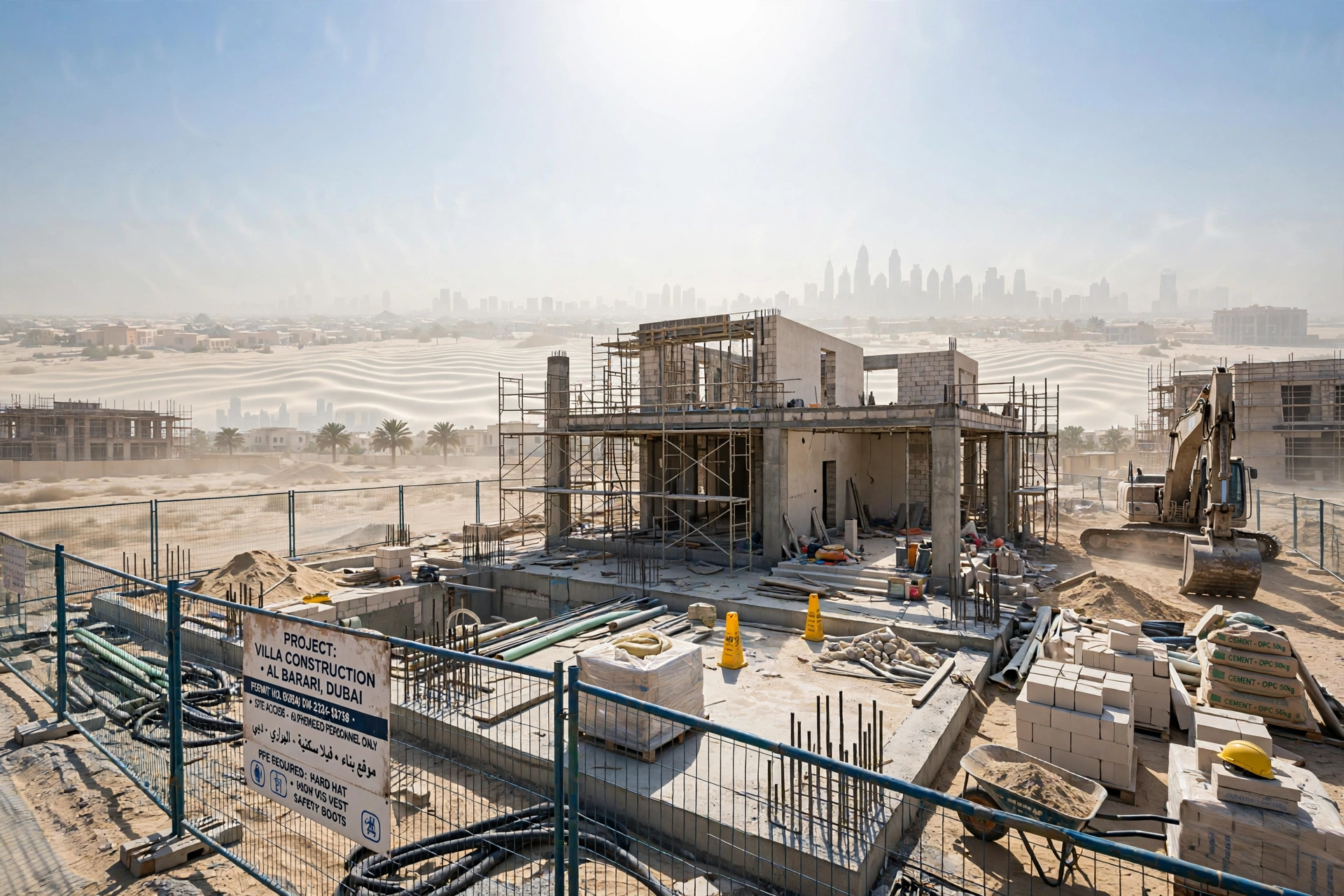
If you own a villa here — in JVC, the Ranches, Al Barsha, anywhere the desert meets the drawing board — here’s what that wall taught me.
First, learn which cracks matter. Hairline plaster cracks in the first year are usually just settling. A diagonal crack wider than two millimeters, one that grows month to month, one you can fit a coin into, or any crack that arrives with sticking doors and sloping floors — those deserve a professional look. Don’t Google at 2 a.m. Call someone who’ll come and put a palm on the wall.
Second, if you’re building new or buying off-plan, ask about the soil test. Ask how deep the foundations go. A good contractor answers happily, at length. A bad one changes the subject — and that tells you everything. These are exactly the kinds of questions in the essential checks before hiring a construction company in Dubai.
Third, respect the water. Half the foundation problems I see in Dubai villas are really about irrigation — sprinklers soaking the ground next to a shallow footing, year after year. Keep heavy watering away from walls, fix leaking pipes fast, and if you’re planning changes around the house, check where to start a home renovation in Dubai so the landscaping doesn’t attack the structure.
Fourth, understand what honest construction costs. A proper foundation is not the place the budget gets trimmed. If you want to know what villa construction costs in Dubai really look like when it’s done right, look at the numbers honestly before the first shovel hits the ground. The cheap foundation is the most expensive item you’ll ever buy — you just pay for it twice.
And finally — the real lesson — a building is only as honest as its foundation, and foundations are where honesty is cheapest to practice and most expensive to fake. Do it right the first time, even when no one is watching. Especially then. If your own wall is trying to tell you something, our villa structural repair services start with exactly the kind of honest site visit Khalid got — palm on the wall, no panic, no jargon.
Frequently Asked Questions
When should I worry about a crack in my Dubai villa wall?
Worry when a crack is diagonal, wider than about two millimeters, growing over weeks, or wide enough to fit a coin. Also worry if it comes with sticking doors, sloping floors, or gaps around window frames — those suggest the structure is moving, not just the plaster. Hairline surface cracks in a new villa’s first year are usually harmless settling; anything else deserves a professional inspection, not a 2 a.m. Google session.
How much does it cost to repair a cracked wall in Dubai?
A cosmetic plaster repair can cost a few hundred dirhams, while a structural fix with underpinning runs into the thousands depending on the wall’s length and foundation depth. It all depends on the cause — patching a settlement crack without fixing the settlement is money thrown at August. Get a site visit and a written scope before comparing quotes, and be suspicious of anyone who prices a structural crack from a photo alone.
Who should I call about a cracked wall — my developer, a contractor, or the municipality?
If your villa is still under the developer’s defects liability period, call the developer first and report it in writing. If it’s older, call a licensed building contractor who can inspect and diagnose the cause. Dubai Municipality handles permits and structural safety disputes, but your first step is always an experienced pair of eyes on the wall.
Does Dubai’s summer heat make wall cracks worse?
Yes. Extreme heat expands and contracts concrete daily, widening existing cracks. Summer also dries the soil around shallow foundations, causing differential settlement — the ground shrinks unevenly, the wall settles unevenly, and it cracks. That’s why cracks that were hairlines in March often look alarming by August.
How can I prevent wall cracks in a new villa?
Insist on a proper soil test before foundations are designed, make sure footings go deep enough for your area’s soil, and confirm the concrete is cured properly in the heat. Keep irrigation and heavy garden watering away from walls and footings, and fix plumbing leaks immediately. Most prevention is refusing to let speed or savings touch the foundation.
Will my home insurance cover crack repairs in Dubai?
Usually only if the crack was caused by a sudden, insured event like an impact or a burst pipe — gradual settlement, soil movement, and poor workmanship are almost always excluded. Read your policy’s exclusions, document any crack with dated photos from the start, and don’t delay reporting once you notice movement.