Waterproofing in the UAE: The Invisible Work That Protects Your Home
If you live in Dubai, you probably don’t think about water damage. We get it. It rains a handful of times a year, the air is dry, and everything around you feels solid and new. Waterproofing in the UAE sounds like something for rainy cities, not the desert — and that’s exactly the trap.
That’s exactly why it’s the costliest mistake homeowners here make.
In our experience, the worst damage we’ve seen on villas across Dubai didn’t come from floods. It came from slow, quiet water — a bathroom that leaked a little every day for three years, a roof membrane that was fine until it wasn’t. By the time anyone saw a stain on a ceiling, the repair bill was many times what proper waterproofing would have cost during construction. This article is about where water actually attacks a UAE home, what happens when protection fails, and how to tell whether yours is done right.
Why a Desert Country Needs Waterproofing

Dubai’s climate is unusual, and that makes the problem sneaky rather than absent. Three things work together here.
First, when it rains, it really rains. A single downpour in April can dump months of rain in a few hours. Roofs, terraces, and parapets that have sat dry for ten months suddenly carry enormous loads of water all at once. If the drainage slopes are wrong or the membrane has a single weak point, that one storm is enough to push water inside.
Second, water doesn’t just come from the sky. Bathrooms run several times a day; kitchens, laundry rooms, and AC condensate lines feed moisture into the structure continuously. Pools and water features press water against concrete for decades. The “desert” argument forgets that a home is a machine for moving water around — and every joint in that machine is a risk.
Third, the heat itself is part of the problem. Temperatures on a Dubai rooftop can swing dramatically between day and night, and that constant expansion and contraction works on membranes and sealants year after year. A waterproofing system that isn’t built for thermal movement will crack eventually. It’s a question of when, not if.
Where Waterproofing Has to Go
A lot of people think waterproofing means “the roof.” The roof matters, but it’s only one piece. A proper job covers four zones, and skipping any one of them is how the classic Dubai horror stories start.
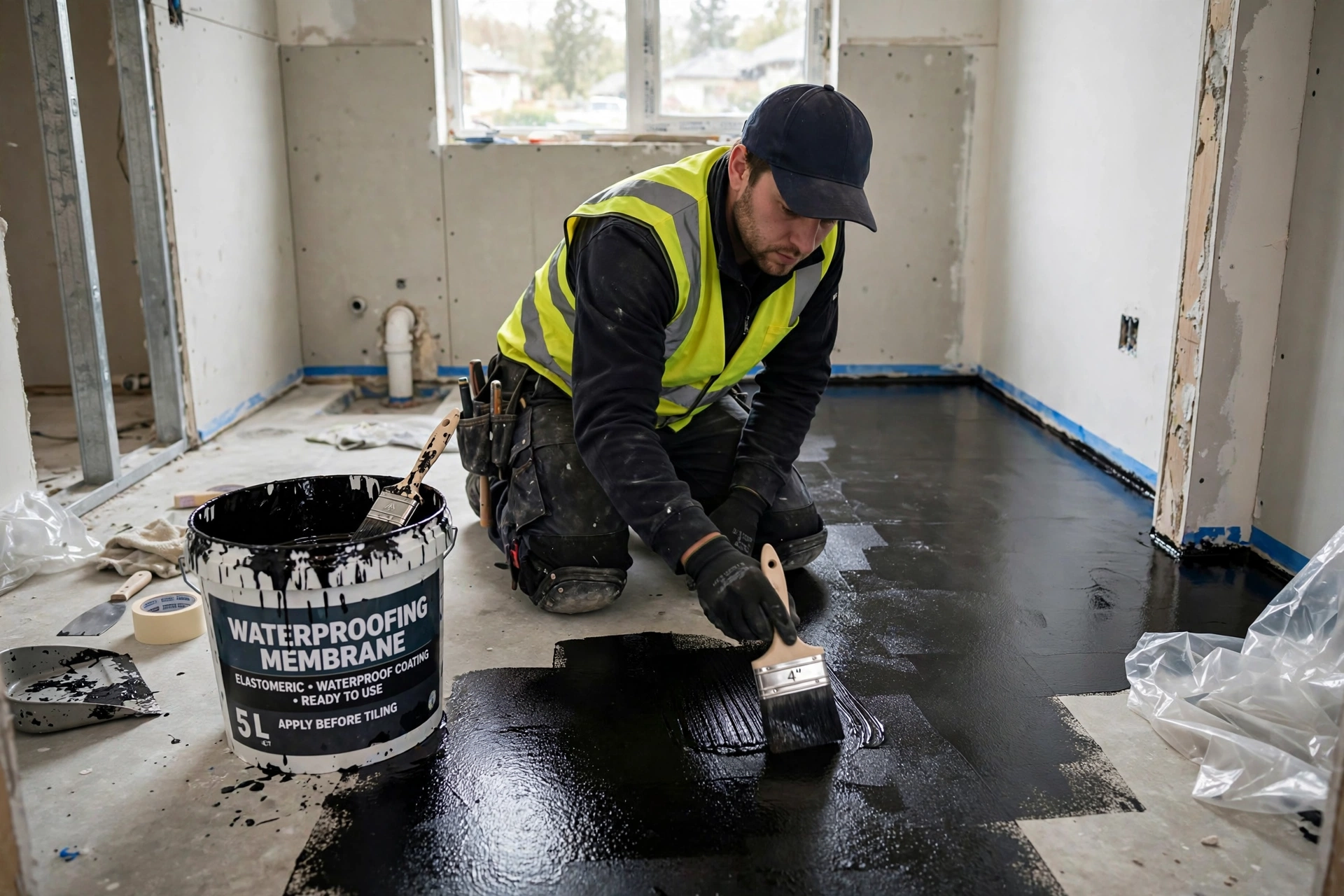
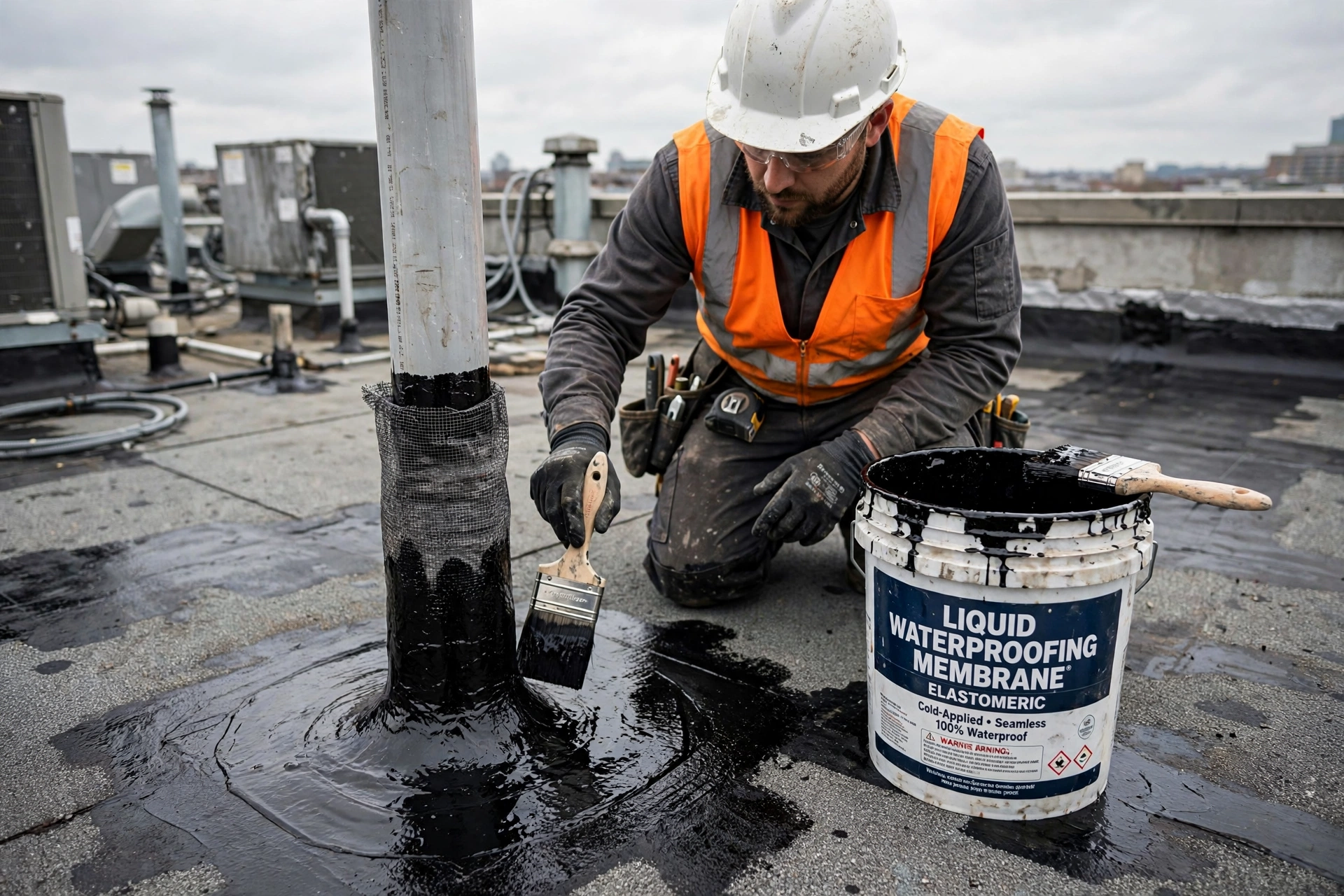
Roofs and terraces. Flat roofs need a continuous membrane, proper slopes toward drains, and protection from the sun. The membrane is only as good as its detailing — corners, pipe penetrations, and where the roof meets the parapet are where failures almost always begin, not in the middle of a clean flat surface.
Bathrooms and wet areas. This is where most villa damage happens. Water from showers seeps through tile grout — grout is not waterproof — and reaches the concrete slab underneath. Without a membrane beneath the tiles, that moisture travels sideways into walls and down into the ceiling below. We’ve opened up bathrooms where the tiles looked perfect and the slab underneath was crumbling.
Basements and foundations. Basement levels sit against soil, which carries moisture and salts. Foundations and retaining walls need waterproofing on the outside face before backfilling. Once the soil is back in place, you can’t fix this from the inside — any later attempt is a patch, not a solution.
Pools and water features. A pool is a waterproofing project wearing a swimsuit. The shell has to hold thousands of liters without a drop escaping into the surrounding soil — a slow pool leak will undermine foundations and rot adjacent structures. Pool plumbing penetrations are the classic leak point.
What Failure Looks Like
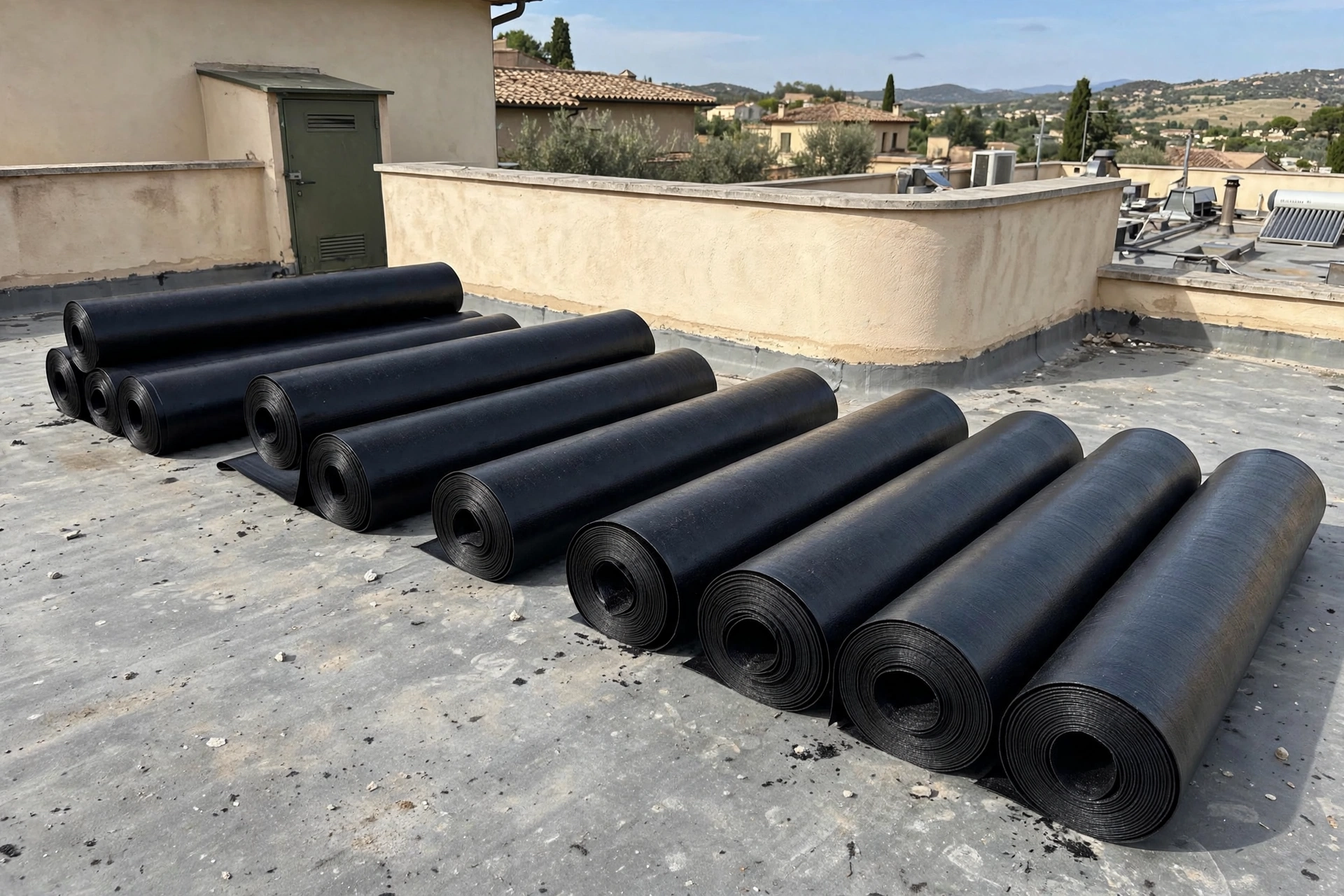
Water damage doesn’t announce itself. It starts invisibly — moisture working through a failed membrane into concrete or blockwork. Then the early signs people ignore: a musty bathroom smell, paint bubbling on a wall. Then the visible damage: brown ceiling stains, loosening tiles, warping doors. And finally the expensive stuff: corroded steel reinforcement inside concrete, mold that becomes a health problem, standing water in basements.
The cost logic is brutal. Waterproofing a bathroom during construction is a modest budget line. Ripping out and redoing that same bathroom after the slab is damaged — tiles, screed, membrane, sometimes the ceiling below — costs many times more, plus weeks of disruption. Roof leaks that reach reinforcement can demand structural repair, a different league of expense entirely.
And here’s the part nobody wants to hear: most failures trace back to workmanship, not materials. The membrane was fine — it just wasn’t sealed properly around the drain, or it was punctured when someone laid tiles over it, or the second coat was never applied. Good waterproofing is a craft problem, not a shopping problem.
What Good Waterproofing Looks Like
So how do you tell the difference between a proper job and a shortcut? A few markers:
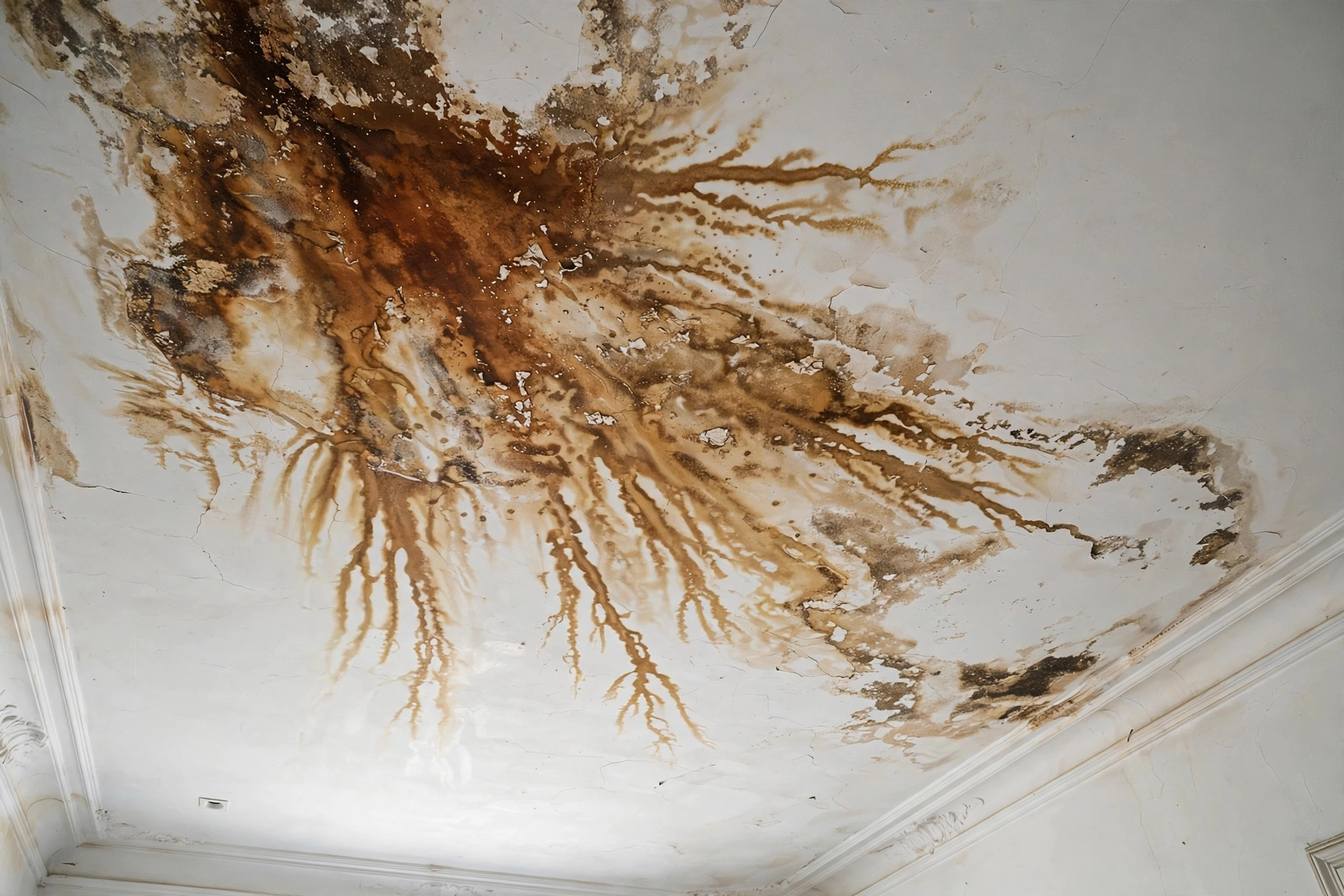
Surface preparation comes first. A membrane applied over a dusty, uneven, or damp surface fails early. Proper work means cleaning, repairing cracks, and priming before application. A contractor who skips straight to applying the membrane is waving a red flag.
The right system for each zone. Bituminous membranes, cementitious coatings, liquid-applied membranes, crystalline admixtures — each has a place. Bathrooms want something different from a roof; a basement wants something different from a pool. Be suspicious of one product for everything.
No punctures after application. Once the membrane is down and tested, it has to be protected. Trades walking across it, dropping tools, or laying tiles over it without a protection layer — this is how many membranes die before the villa is even handed over.
Questions to Ask Your Contractor
- Which waterproofing system are you using for each area, and why that one?
- How will you prepare the surface before application?
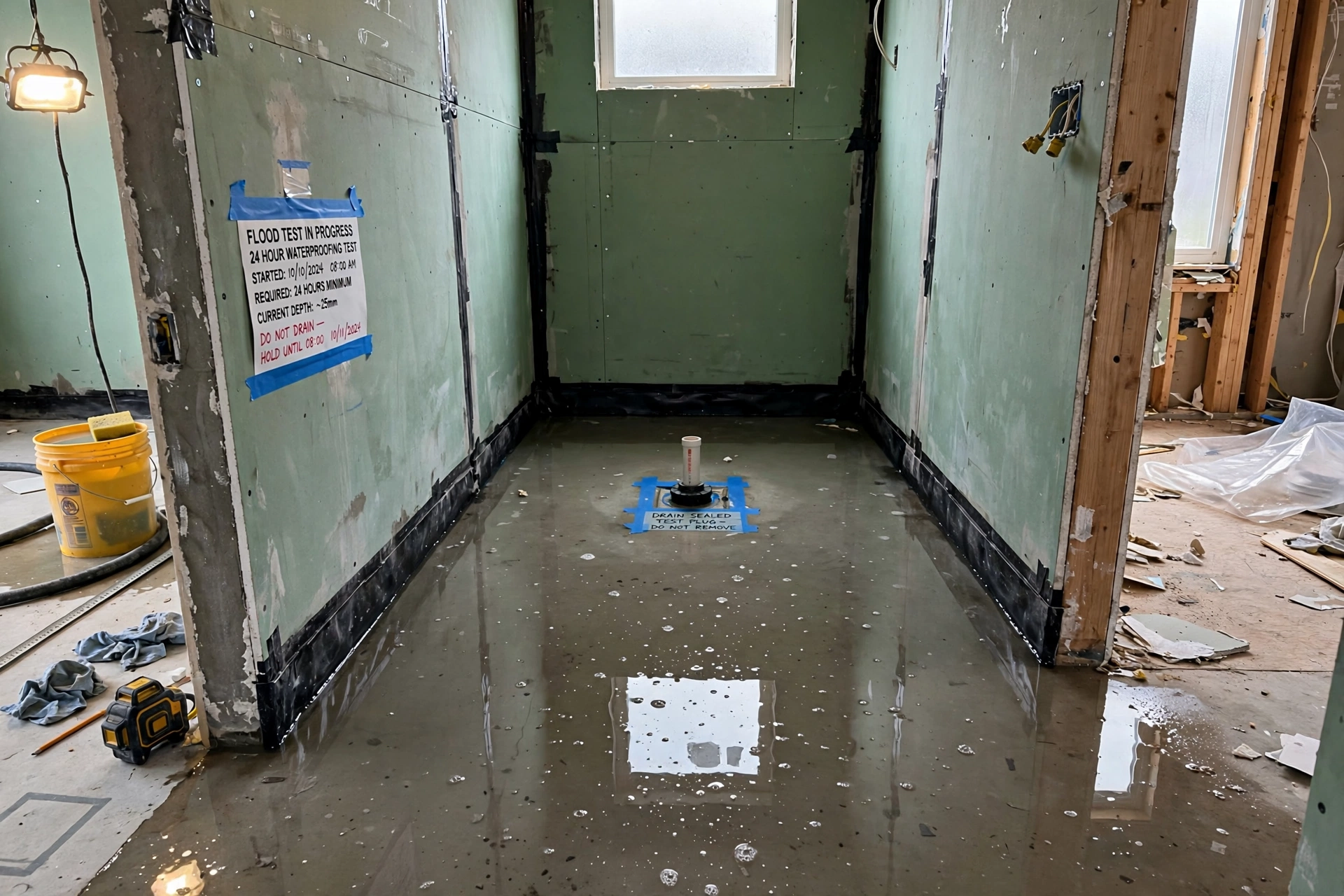
- Will you flood-test bathrooms and terraces before tiling — and can I see the test?
- How are you detailing pipe penetrations, drains, and corners?
- What protects the membrane after it’s applied and before finishes go on?
- What warranty do you offer on the waterproofing work specifically?
A contractor who answers these clearly and calmly is usually one who does the work well. Vague answers, irritation at the questions, or “we always do it this way, don’t worry” — take that as your cue to look elsewhere.
The Bottom Line
Waterproofing is the work nobody photographs. It disappears under tiles and screed, and if it’s done well, you’ll never think about it again. That’s precisely what makes it valuable — and what makes it tempting to cut. In the UAE’s climate, with its rare but violent rains, its relentless heat cycles, and its water-heavy homes, skipping or skimping on waterproofing isn’t a saving. It’s a loan you’ll repay with interest, in mold, stains, and structural repair.
If you’re building or renovating, treat waterproofing as one of the decisions that deserves your attention early, while everything is still open and fixable. Talk to a qualified contractor, ask the questions above, and insist on the flood test. Your future self — the one living in a dry, solid home five years from now — will be glad you did.