Everyone has an opinion about villas in Dubai. Your neighbour’s brother-in-law has one. Three WhatsApp groups have one. Here’s the quiet truth: the architect you choose shapes everything — how your villa feels to live in, how much it costs to build, how many fights you have with the contractor, and whether Dubai Municipality approves your drawings on the first try or sends you back five times.
Licensed or Not: Why Registration Actually Matters in Dubai
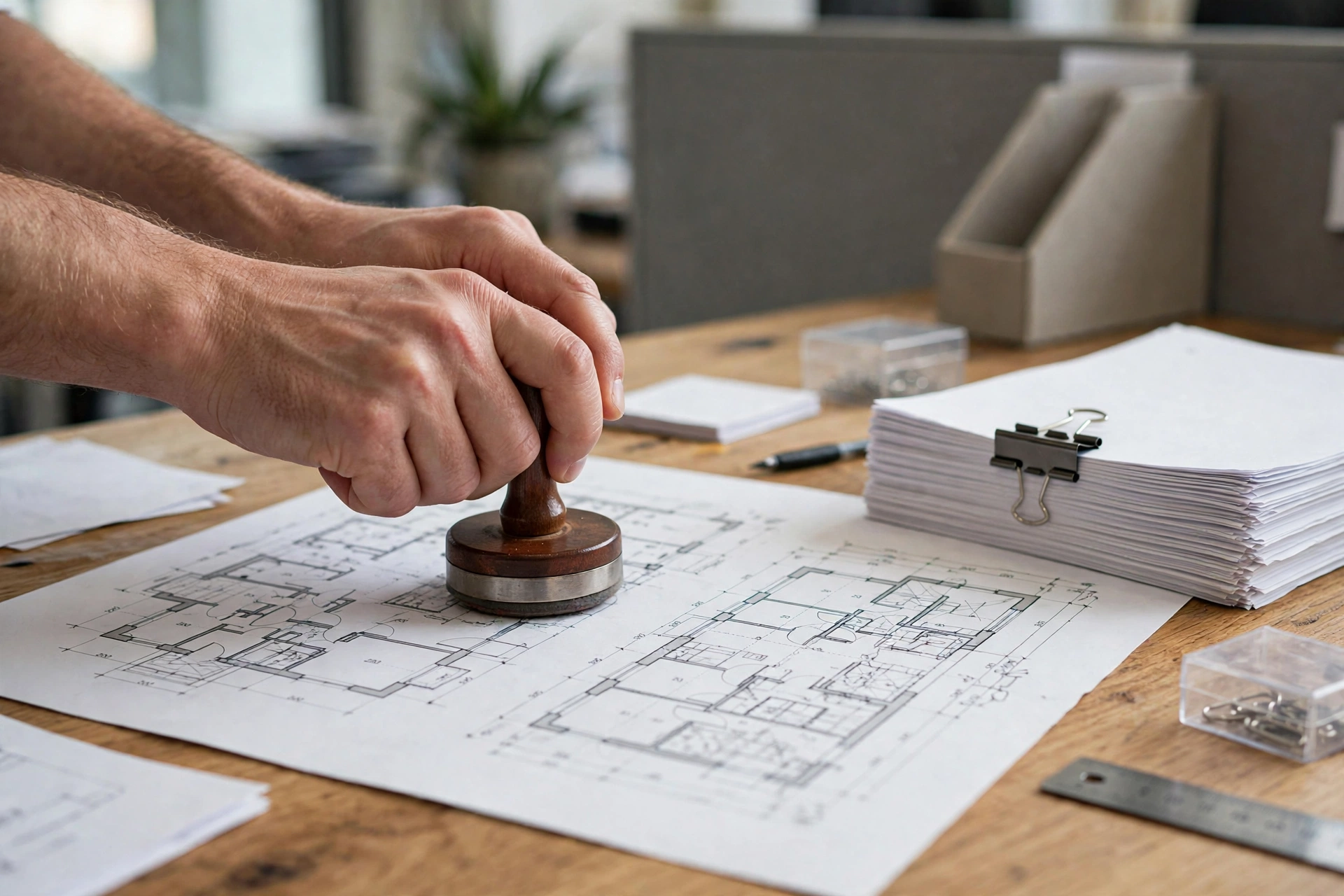
In Dubai, villa drawings submitted to Dubai Municipality must be stamped by an architect with a valid municipality license. No license, no stamp, no building permit. Before you fall in love with a portfolio, ask for their Dubai Municipality license number and the registered engineering office they practise under. Watch out: a talented unlicensed designer who “borrows” a stamp from a licensed office — when something goes wrong mid-construction, nobody officially owns the design. Ask: who stamps the drawings, and will that person stay involved through the project?
Read the Portfolio Like a Detective, Not a Fan
Look for completed villas, not just renders. A render is a promise; a built villa is evidence. Ask which portfolio villas the architect supervised through construction, not just designed. Ask if you can drive past one. Pay attention to details photos hide: corridor widths, storage space, whether the staircase feels generous. These separate a house that photographs well from one that lives well.

The Design Brief: Say What You Actually Want
Be specific and honest. “Modern villa” means ten different things to ten architects. Bring photos of houses you love and houses you hate. Explain how your family lives: do you entertain weekly? Does anyone work from home? A good architect asks these questions before picking up a pencil. Also discuss local style vs personal taste — Dubai villas carry cultural DNA (majlis spaces, privacy zones). If an architect dismisses the majlis as wasted space, you’ve learned something important.

Approvals: The Part Nobody Puts on Instagram
A huge part of your architect’s job is paperwork: building permits, NOCs, developer approvals. A seasoned villa architect knows which communities need DDA approval, the setback rules and height limits for your area, and how to pre-check designs so submissions don’t bounce back. Ask: “How many submission rounds did your last three villa projects take?” One is excellent, two is normal. Also ask who handles municipality back-and-forth — it should be the architect, not you.
Money Talk: What Architects Actually Charge
Two models: percentage of construction cost (8-12% for full package — design, drawings, submissions, supervision; on a AED 3M villa that’s AED 240K-360K), or fixed fee for limited scope (cheaper upfront, but revisions cost extra). Get scope in writing: how many revisions free, supervision visits included, who pays submission fees, what happens on mid-build changes.
Construction: Where the Relationship Is Really Tested
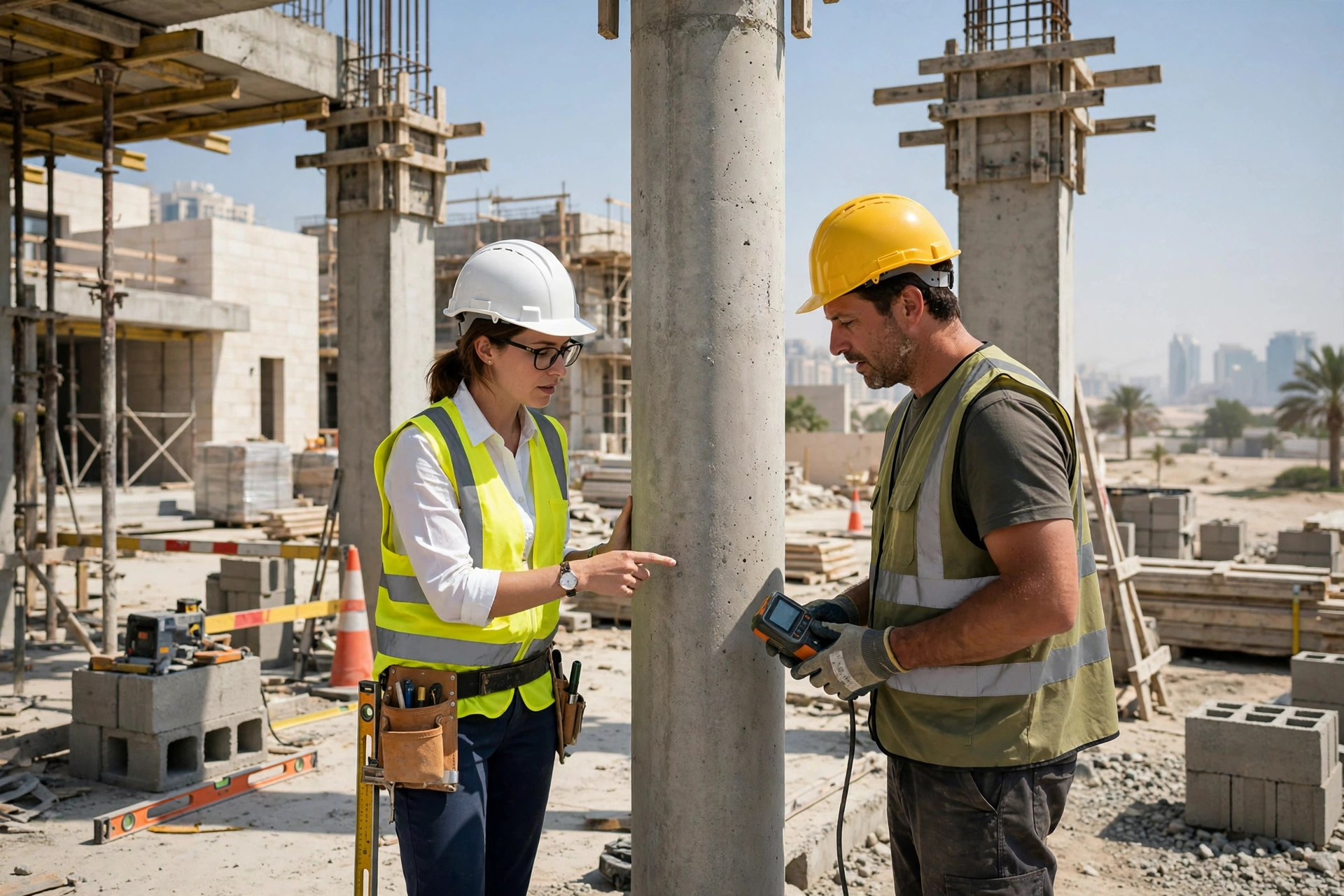
Your architect is your eyes on site. Ask: how many site visits included? What do they check? How do they communicate issues? The best run a rhythm: scheduled visits, written notes, clear contractor instructions.
The Short Version
Choose an architect who is licensed, whose built villas you’d live in, who asks about your family before showing plans, who treats approvals as part of the job, and who stays on site. Meet at least three, trust your gut, get everything in writing.