So you want to extend your villa — an extra bedroom upstairs, a proper majlis, maybe that pool you’ve been talking about for two years. Before anyone picks up a hammer, there’s paperwork. Specifically, a building permit from Dubai Municipality. Skip it, and you’re not saving time or money; you’re buying trouble that shows up later, usually the moment you try to sell. This guide walks through the whole process the way it actually happens on the ground.
Does Your Project Even Need a Permit?
Short answer: if it changes the villa’s footprint, height, or structure, yes. A new G+1 villa, adding a floor, extending rooms, building a boundary wall, adding a driver’s room or majlis block, a swimming pool, converting the garage, moving the main gate — all of these need a Dubai Municipality building permit. What doesn’t: repainting, refitting kitchen cabinets, replacing the AC units, new flooring, or landscaping that doesn’t touch levels or walls. Cosmetic work inside the villa is your business.
Here’s the trap I see most often. An owner adds a room at the back without a permit. It looks fine. Three years later they sell, and the buyer’s bank valuation comes back short because the built-up area on the title deed doesn’t match what’s standing on the plot. Or the Municipality notices during a routine check and issues a violation — a fine plus an order to demolish the unapproved part. The permit costs a fraction of that headache. Get one.
One more thing: if your villa sits in a master community — Palm Jumeirah, Emirates Hills, Arabian Ranches, JVC — the developer usually wants its own NOC on top of the Municipality permit. That’s a separate approval with its own rules. Check with your community management before you assume the Municipality permit is enough.
The NOCs: Collect These Before Anything Else
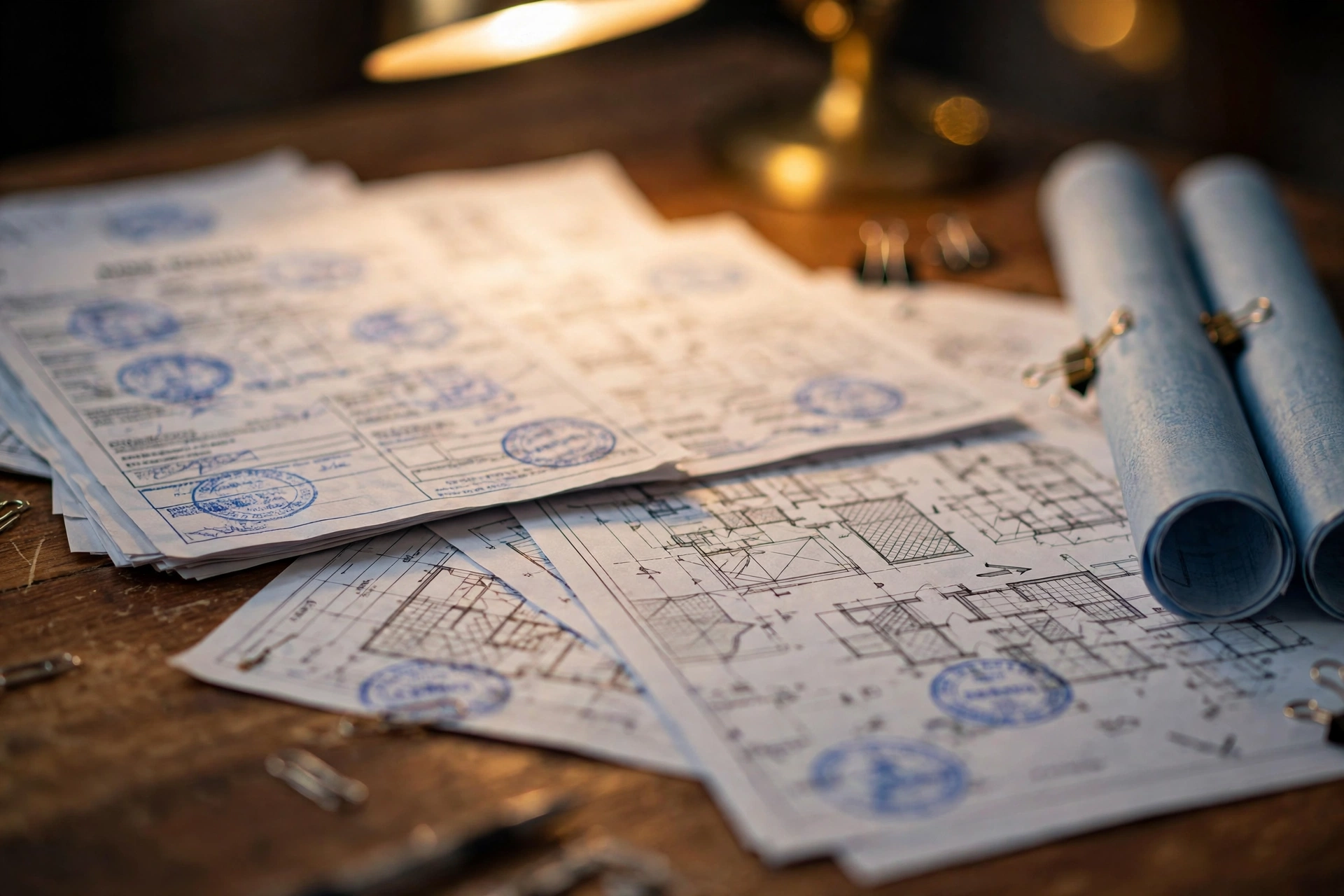
NOC stands for No Objection Certificate, and you’ll collect a small stack of them. Think of it as each authority confirming your project doesn’t interfere with their infrastructure. The standard set for a villa permit: The affetation plan from Dubai Municipality (your plot’s official site plan — dimensions, setbacks, maximum height, allowed plot coverage); DEWA NOC for electricity and water; Telecom NOC (du or Etisalat); Drainage NOC from the Municipality’s drainage department; Civil Defense approval for larger builds; Developer or community NOC if you’re in a managed community.
Your contractor or consultant normally runs these down for you — it’s part of what you pay them for. But know the list yourself. NOCs take days to weeks each, and the smart move is to apply for all of them at the same time instead of one after another.
The Drawings: What Gets Submitted and Who’s Allowed to Submit It
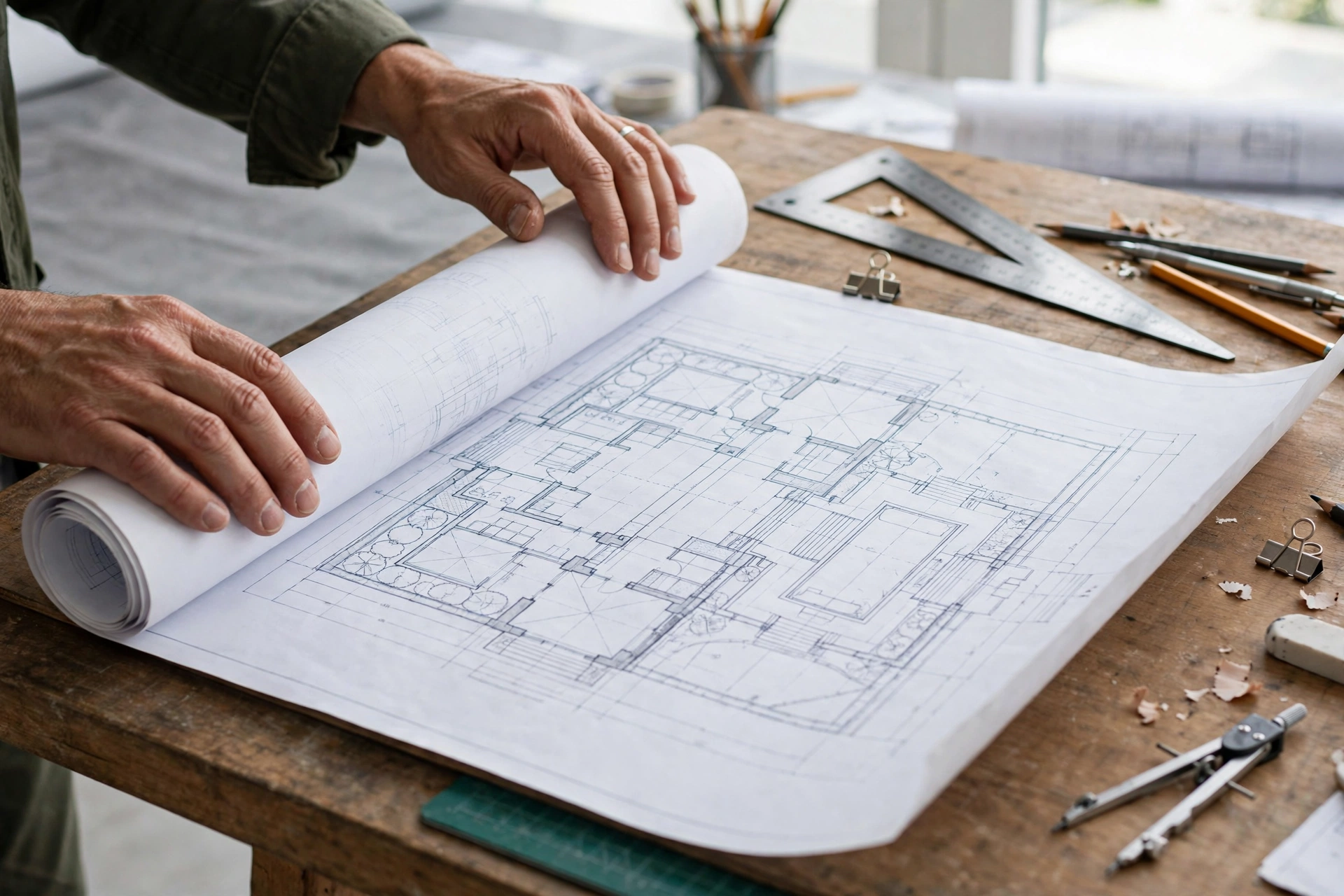
You can’t submit a building permit application yourself by walking in with sketches. The system requires a licensed party. For a new G+1 villa, that means a Dubai Municipality-licensed consultant — an engineering office. For smaller modification work, a licensed contracting company can usually handle the submission. The drawing set: architectural plans showing every floor, elevations, and sections; structural drawings covering foundations, columns, and slabs; and MEP layouts for electrical, plumbing, and air conditioning. Everything dimensioned, drawn to scale, and stamped by the licensed office.
Two details cause more rejections than anything fancy. First, the owner’s name on the drawings must match the title deed exactly. Second, the plot number, community, and affetation plan reference must be right — copy them off the affetation plan itself, never from memory.
Filing the Application: The Portal, the Fees, and the Wait
Applications go in through Dubai Municipality’s online building-permit system, filed under your consultant’s or contractor’s licensed account. Fees are calculated on the built-up area plus administrative charges. There’s also a refundable insurance deposit held during construction and returned after the completion certificate is issued. Timelines: a clean villa application typically clears within five to ten working days.
When Drawings Get Rejected (and They Often Do)
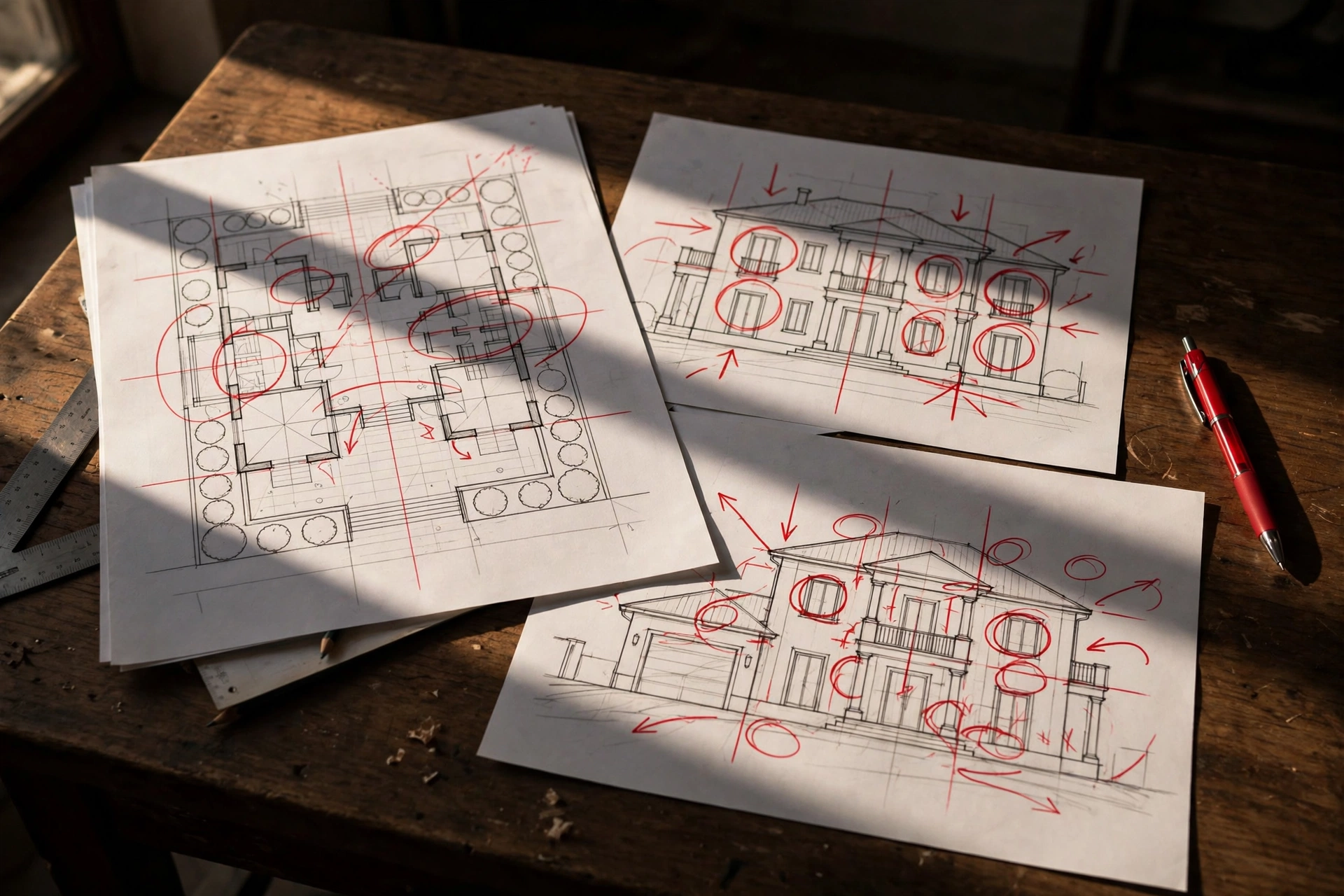
Don’t take a rejection personally. It’s a correction list. The usual reasons: the design breaks a setback rule; the title deed name doesn’t match; an NOC is missing or expired; the drawings aren’t to scale. Read the rejection note line by line, fix exactly what’s flagged, and respond fast.
After Approval: Inspections, the Site Board, and the Completion Certificate
During construction, Municipality inspectors visit at set stages. Display the permit board on the site. Build what was approved — changing the design mid-construction without an approved revision can void the permit. When done, your consultant applies for the building completion certificate. Keep a copy of everything in one folder.
A Dubai Municipality building permit is mostly a paper chase, not a mystery: a current affetation plan, all NOCs applied for in parallel, drawings that match the title deed exactly, a licensed consultant filing online, and corrections handled fast. Do the unglamorous admin properly, and the permit becomes the easiest part of your villa project.